Mexico 2-0 South Africa: Tactical Analysis of World Cup Debut
June 12, 2026 4 min readPrediPick
Mexico 2-0 South Africa: Tactical Analysis of the World Cup Debut
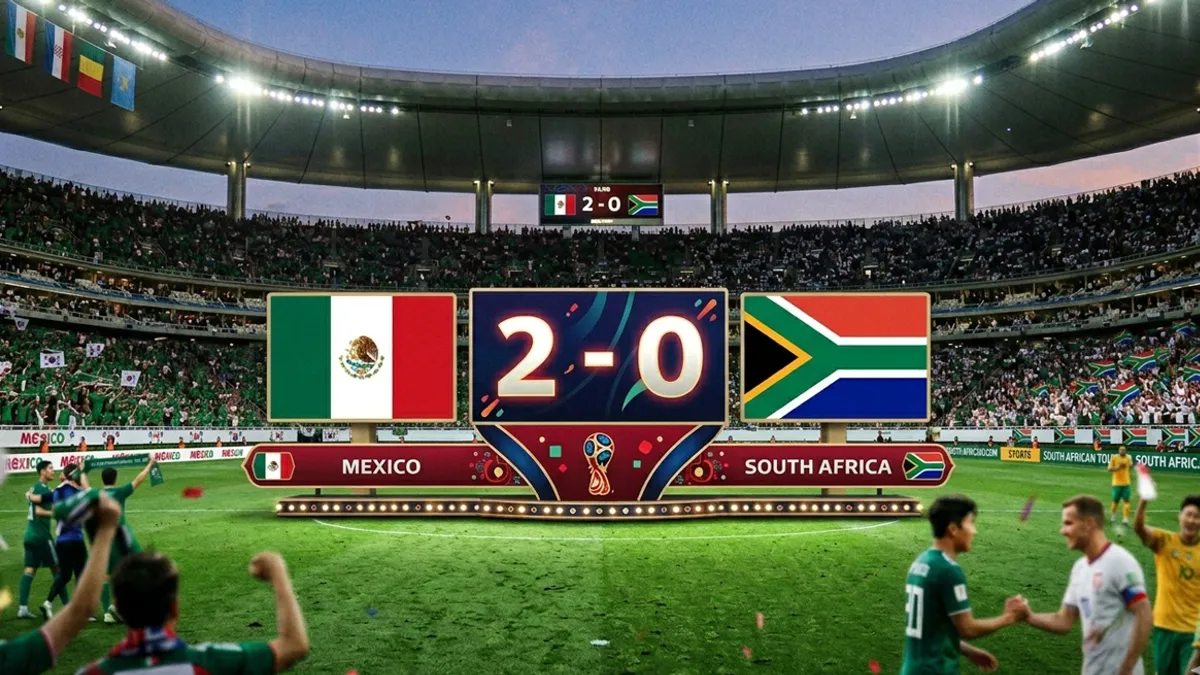
The Estadio Azteca witnessed a World Cup opener that combined intensity, tactical precision, and a cascade of red cards. Mexico defeated South Africa 2-0 with goals from Julián Quiñones and Raúl Jiménez, but the scoreline doesn't reflect the complexity of a match where three red cards reshaped the script. We analyze the tactical keys, performance data, and decisions that marked Group A's debut.
High Press as a Hallmark
Under , Mexico deployed a 4-3-3 with an from the first minute. South Africa, organized in a 4-4-2, attempted to build from the back, but the suffocating pressure from Mexican forwards turned their buildup into a constant trap. According to broadcast data, Mexico recovered the ball in the opponent's half during the first half, an indicator of offensive intensity.
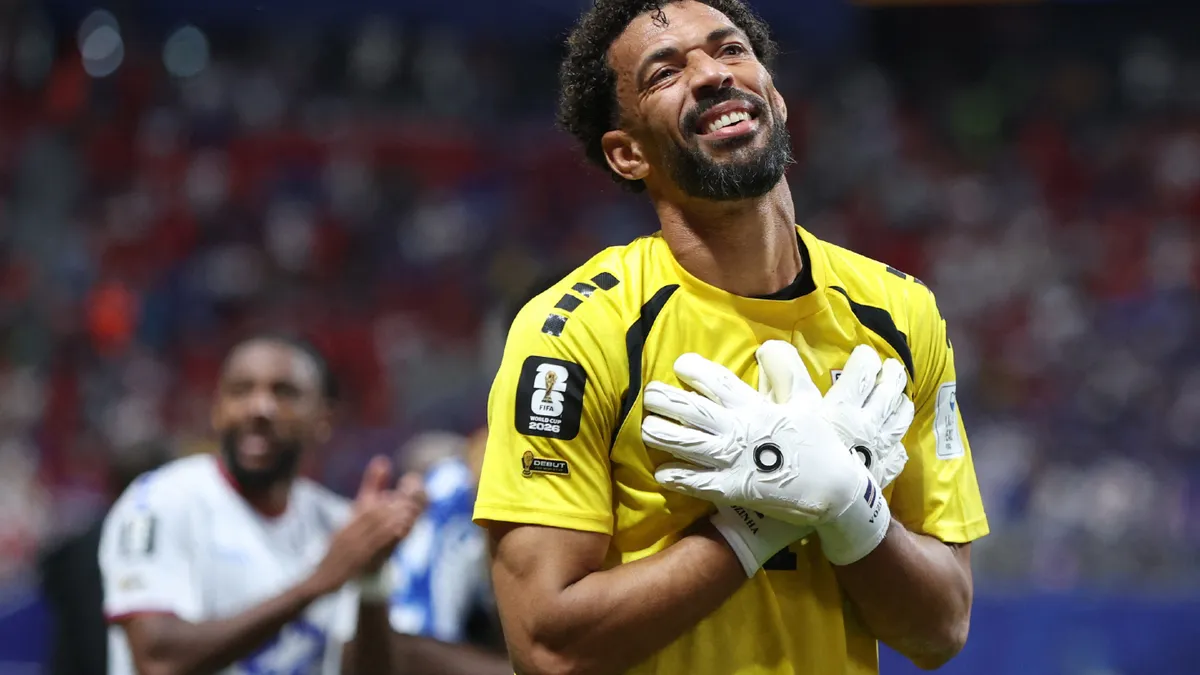
The first big chance came in the 15th minute: a shot by Raúl Jiménez from outside the area forced a save from Ronwen Williams, the South African goalkeeper who leads the save rankings in his confederation. That play was no isolated incident. It reflected Aguirre's plan: long possession to wear down the opponent, combined with changes of pace on the flanks.
Quiñones' Goal: Error Forced by Pressure
The first goal (34th minute) came from a mistake in South Africa's buildup. Four Mexican players —Quiñones, Jiménez, Alvarado, and Gutiérrez— surrounded the big area, synchronizing their runs to close down passing lanes. The South African center-back, pressured by Quiñones, attempted a sideways pass that was intercepted. Julián Quiñones made no mistake: he finished across goal as Williams advanced.
That goal highlighted the effectiveness of organized pressing. Mexico not only recovered near the area, but the attack was immediate, without a long transition. The same Quiñones nearly doubled the lead minutes later, hitting the post after a combination of short wall passes with Roberto "Piojo" Alvarado.
Second Half: Numerical Advantage and Total Dominance
The scenario changed dramatically in the 52nd minute. Brian Gutiérrez received a through ball and faced the last South African defender, who brought him down. The referee showed a straight red card for "last man." With 10 players, South Africa dropped deep, but Mexico maintained positional patience.
The numerical superiority allowed Aguirre to push his full-backs high, turning the 4-3-3 into an offensive 2-4-4. The second goal came in the 68th minute: a well-worked move down the right flank, cross from Jorge Sánchez, and powerful header from Raúl Jiménez —his seventh World Cup goal— which extinguished South African hopes. Their finishing efficiency was 40% (2 goals from 5 shots), a stat highlighting the Mexican attack's focus.
Match video highlights:
The Chaos of Red Cards: Refereeing and VAR in the Spotlight
The final stretch of the match was marked by controversial decisions. In the 78th minute, after a VAR review, the referee sent off a second South African player for a slap to Alvarado's head during a corner. South Africa went down to 9 men.
However, the balance shifted when César Montes (85th minute) committed a foul as a last resort on a South African striker running through alone. Straight red for the Mexican center-back. The match ended with 10 vs 9, an unusual scenario that forced Aguirre to drop his lines and protect the result.
Team
Red cards
Fouls
Possession (%)
Shots on target
Mexico
1 (Montes)
14
61
5
South Africa
2
18
39
2
Source: Provisional match stats.
Tactical Analysis of the Red Cards
The three red cards follow different patterns:
South Africa's first: a tactical foul forced by Gutiérrez's verticality, receiving in the space between lines. A defensive reading error.
South Africa's second: a violent gesture sanctioned by VAR, evidence of the team's frustration in the face of Mexican superiority.
Montes' red: an acceptable last-resort foul given the context, but one that leaves Mexico vulnerable for upcoming matches.
The absence of César Montes will be a headache for Aguirre, who loses his most experienced center-back for the match against Portugal. Alternatives such as Johan Vásquez or young Víctor Guzmán will need to be evaluated.
What's Next: Implications in Group A
Mexico picks up 3 points and leads the group. The victory not only provides confidence but also reinforces the commitment to high pressing as an identity. South Africa, which will need to reinvent itself after two red cards and an unconfirmed injury to Williams, faces New Zealand in the next matchday.
For Mexico, the challenge will be to maintain defensive discipline without Montes and manage intensity in a World Cup schedule that forgives no mistakes. For now, offensive efficiency and Aguirre's tactical composure have paid off. But the tournament is long, and the 9 men of the Azteca know every detail counts.
Key stat: Mexico had never won their debut at the Estadio Azteca by a two-goal margin since 1970. This 2-0 goes down in the books as a convincing start, albeit with an asterisk due to the unusual number of cards.