Who Will Win the 2026 World Cup? Global Predictions So Far
June 16, 2026 5 min readPrediPick
Who Will Win the 2026 World Cup? Global Predictions So Far — PrediPick
The biggest tournament in football history is already underway. 48 teams, three host nations, and a final at MetLife Stadium on July 19. The whole world has an opinion on who will lift that trophy, and the numbers—from bookmakers, prediction markets, and millions of fans—confirm it. Here's what the global forecasts say so far.
France Takes the Lead: How the Odds Shook Out After Matchday One
Before the first whistle blew at Estadio Azteca, Spain and France shared the throne. Both opened as co-favorites in most global markets. At U.S. sportsbooks—like FanDuel or BetMGM, the biggest on the continent—odds are given in American format: numbers like +450 or +480 indicate the profit per $100 wagered; the lower the number, the more favored the team. By that logic, Spain and France were virtually tied in analysts' perception.
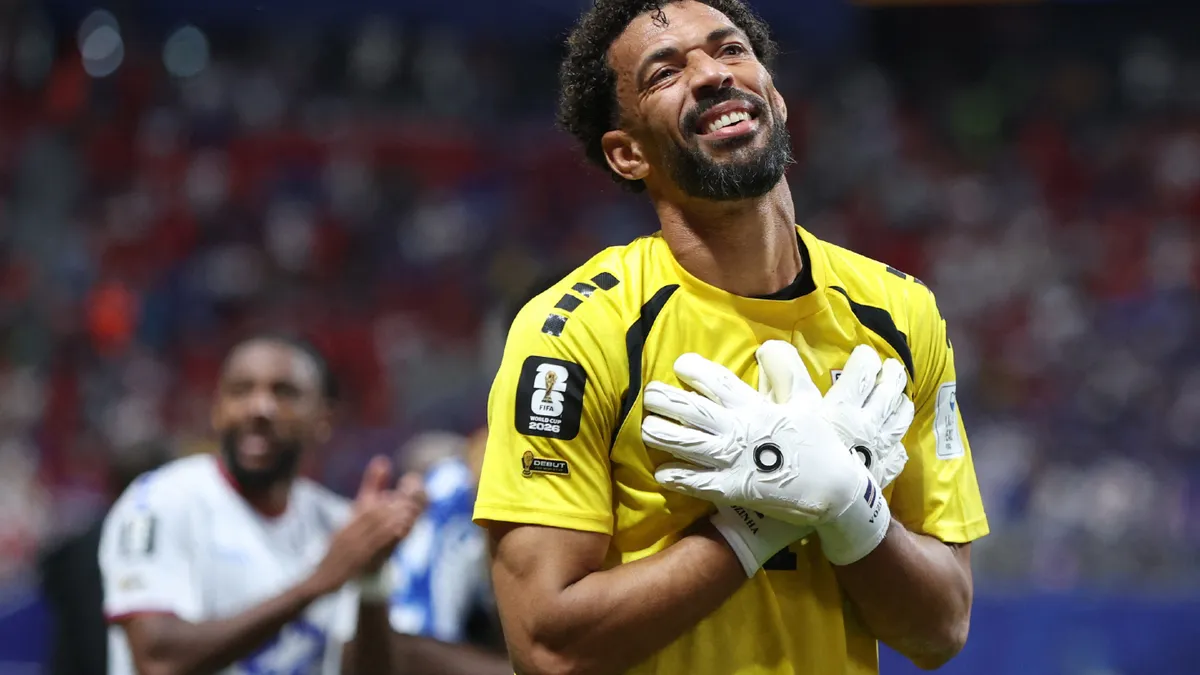
On June 15, Spain faced Cape Verde in Atlanta—a World Cup debutant from an Atlantic island with fewer than 600,000 inhabitants—and couldn't score. The 0-0 draw not only left a bitter taste for Spanish fans; it shook the prediction markets with a violence rarely seen. One Polymarket user who had bet nearly one million dollars on a Spanish win (with an implied probability of 92%) lost it all in 90 minutes.
The reaction was immediate: Spain dropped to second place in global odds, moving to +500 at BetMGM, while France rose as the sole favorite at +400, even before their debut against Senegal on June 16.
The Cape Verde Shock and What It Says About This World Cup
What Josimar Vozinho—a 40-year-old goalkeeper who denied Spain seven shots on goal and left them crashing against his gloves again and again—did is, in itself, an argument for why this 48-team tournament is unlike anything before. More teams mean more surprises. More surprises mean the predictions are more alive than ever.
And that's exactly what makes predicting this World Cup so addictive.
The Top Title Favorites: A Look at Global Forecasts
Beyond the opening day's moves, the global consensus—compiled from prediction markets, sportsbooks, and statistical models—paints a clear picture at the top.
Europe Dominates the Conversation
The top three names in practically every prediction ranking are European:
France arrives as the FIFA number-one-ranked team, with Mbappé at a different level and a generation that has been close to the title for a decade without sealing it. The 2022 Qatar final—lost on penalties to Argentina—remains the open wound that drives them.
Spain were Euro 2024 champions and arrived at the World Cup as market favorites. The stumble against Cape Verde doesn't erase what they built, but it does remind that in a World Cup, no one is safe. Their current odds (+500) still place them among the top two or three in all markets.
England completes the European podium, hovering around +650 to +700 at most sportsbooks. The English haven't known a world title in six decades, and this cycle—with Bellingham, Saka, and company in full maturity—could be the one. Or not. They're England, after all.
The American Bloc: Brazil and Argentina Refuse to Yield
Brazil, with odds around +850, represents the most interesting option outside Europe for many analysts. They are the team with the most World Cup wins (five), come off years of rebuilding, and have this tournament as a chance to remind the world what they're made of.
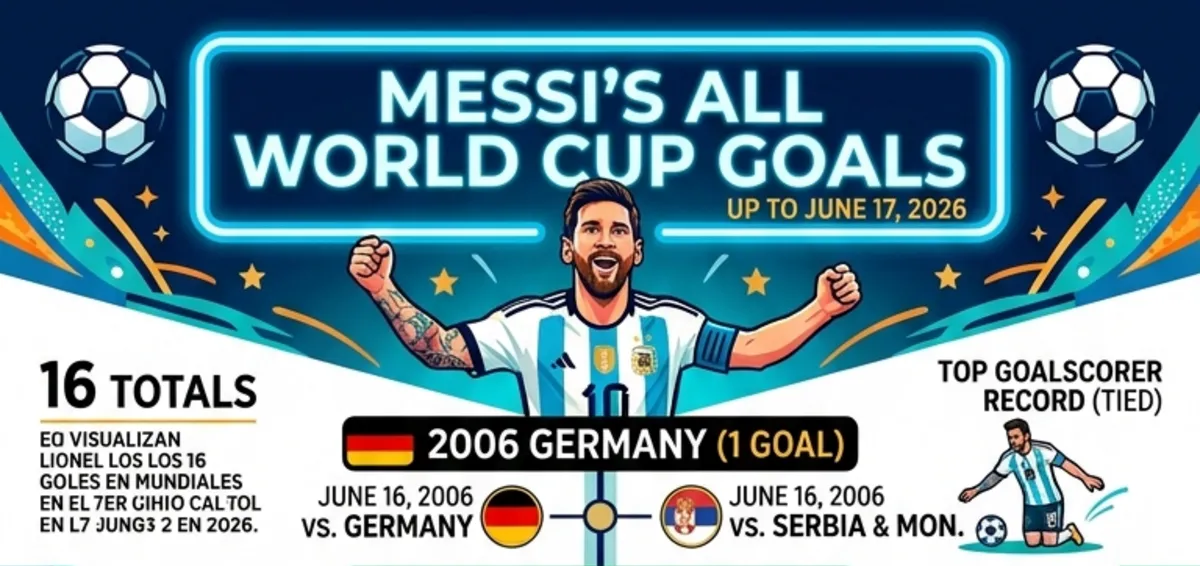
Argentina, the defending champions, sit at +1000. Lionel Messi, aged 38, could be playing his last World Cup. The team knows history is rarely kind to back-to-back champions—no one has done it since Brazil in 1962—but they also know how to win when it counts.
If you want to register your prediction for who you think will reach the final, PrediPick lets you follow the tournament match by match and compete with predictors from around the world.
The Teams the Market Underestimates
Germany at +1100, Portugal at +1200, and the Netherlands at +2000 are the options many analysts point to as the most interesting in terms of value. They are squads with competitive rosters that, for one reason or another, don't generate the same media buzz as the top five. But in football, buzz doesn't score goals.
What Do Prediction Markets Say Beyond Betting?
Prediction markets—platforms where users trade on probabilities rather than fixed odds—offer a slightly different read than traditional sportsbooks, and in many cases a more accurate one.
On Kalshi and Polymarket, before the tournament started, France and Spain concentrated the highest volume of money wagered on the winner. But the money driving popular sentiment—the kind that bets with the heart, not the statistical model—has a clear component: Argentina generates more individual tickets than any other American team, driven by Messi's story.
The interesting data point: at BetMGM, before the draw, Spain led both in number of bets (13% of total) and money wagered (17%). That speaks of an unusual consensus: casual bettors and analysts were pointing to the same team. The draw against Cape Verde threw them all off equally.
The Home-Field Factor: Playing at Home Isn't a Guarantee, But It Helps
The United States, Mexico, and Canada are the three hosts. In global markets, all three come in as second-tier title contenders, but the home-field factor always weighs.
Mexico trades at around +6500, with the advantage of playing their group matches at home and a fanbase that turns every game into something like a final. The United States, at +6000, is the tournament's long-brewing story: a country with extraordinary resources and a growing league that dreams of proving to the world that football is here to stay. Canada, the biggest longshot of the three at +17500, simply wants to make history.
If you're interested in making your own predictions and seeing how they compare with the global community, **[join PrediPick](