2026 World Cup Doodle: Google Celebrates with Unique Designs
June 11, 2026 4 min readPrediPick
2026 World Cup Doodle: Google Celebrates the World Cup with Unique Designs for Mexico and the World
The FIFA World Cup 2026 is not only the first tournament organized by three countries – Mexico, USA, and Canada – but it has also inspired Google to pay tribute with thematic doodles that reflect the passion and cultural identity of each host nation. For the first time, the search engine has created two distinct versions of its artwork: one dedicated exclusively to Mexican users and another for the rest of the planet. What lies behind these images? We tell you all the details.
What is a Google Doodle?
are temporary modifications of the search engine's logo that celebrate historical events, important dates, or personalities. Since 1998, these designs have become an interactive tradition that combines art, technology, and culture. For the , Google has prepared a double surprise that's already making waves on social media.
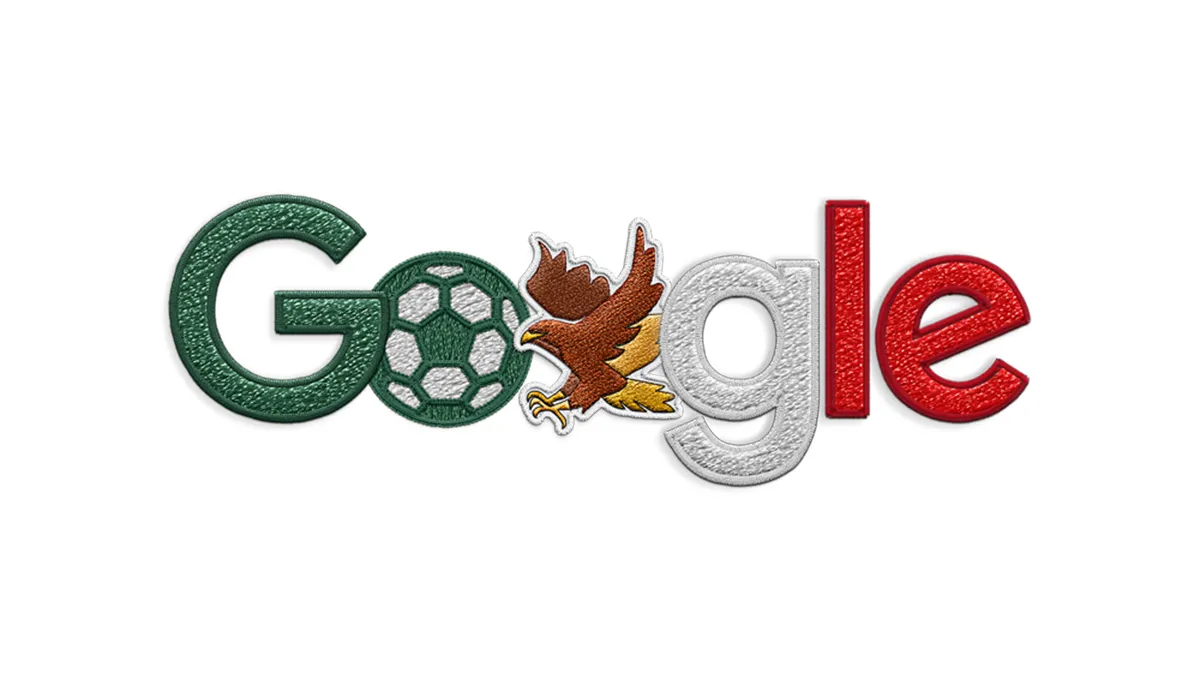
The design for Mexican users is a static high-definition image that captures the essence of the host country. In the foreground, Google's letters transform into a vibrant stadium, with the classic soccer ball rising above a green pitch. The national colors – green, white, and red – flood the composition, while elements like the nopal cactus, eagle, and a mariachi hat are subtly integrated into the typography.
This exclusive doodle for Mexico automatically activates when a search is performed from Mexican territory. Google's decision to create a differentiated version responds to the country's deep-rooted football culture and its role as a historic host: Mexico already organized the 1970 and 1986 World Cups, and now it will be part of the 2026 host trio.
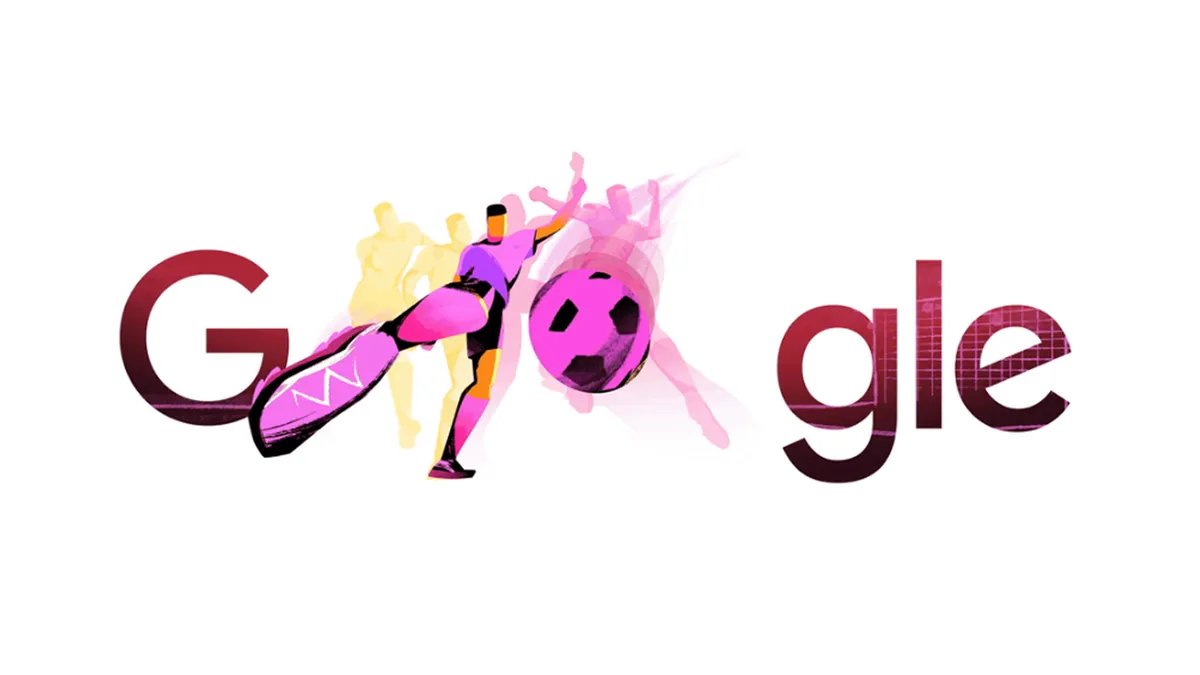
The Global Doodle: An Animated GIF Capturing World Cup Excitement
![Global Doodle – 2026 World Cup]
For the rest of the world, Google chose an animated GIF showing a stadium full of fans waving flags of the three host nations. The animation begins with the Google logo turning into a spinning ball, then a human wave sweeps through the stands. The rainbow colors of the flags – red, white, blue, green – blend together, creating a global celebration effect.
The GIF lasts approximately 8 seconds and loops. Unlike the Mexican doodle, this design is more abstract and universal, meant to represent the sporting unity of the three countries. It includes details like the official FIFA World Cup 2026 logo and the silhouette of a player kicking the ball.
Why Did Google Create Two Different Doodles?
Google's strategy responds to a trend of regional personalization. In previous World Cups (like Brazil 2014 or Russia 2018), the search engine usually released a single global doodle. However, for 2026, since it's a tri-national Cup, the company decided to celebrate the cultural diversity of each host. Mexico, with its rich iconography and football legacy, deserved special treatment.
Additionally, the Mexican doodle activates not only on opening day but also during matches played on Mexican soil (like the opening match at Estadio Azteca). This turns the doodle into an emotional thermometer that changes depending on the World Cup calendar date.
Impact and Reception
In the first hours after its release, the Mexico doodle became a trend on Twitter and Instagram. Users highlighted the inclusion of native symbols like the nopal cactus and golden eagle, as well as typography evoking Mexican folk art. Meanwhile, the global doodle received praise for its dynamism and for capturing the energy of crowds.
Google confirmed that the doodles will be active throughout the tournament (June 11 to July 19, 2026), with possible variations on key match days, such as the final or quarterfinals.
A Tradition That Evolves
Google Doodles have witnessed football history: from the first World Cup with a doodle (Korea/Japan 2002) to the tribute to Pelé in 2022. In 2026, Google has gone a step further by integrating augmented reality in some markets. By clicking on the doodle (web version), a mini penalty shootout game or an interactive map of the host cities unfolds.
For Mexican fans, having their own doodle is a point of pride. This gesture confirms that the 2026 World Cup is not just a sporting event, but a celebration of identities. Next time you open Google, glance at the top-left corner: the ball is already rolling.