Security at Sporting Events: Lessons for the 2026 World Cup
June 13, 2026 5 min readPrediPick
Security at Sporting Events: Lessons for the 2026 World Cup
Security at international sporting events has become a strategic pillar for host nations. With the 2026 FIFA World Cup just around the corner — the first edition to span three host countries: Mexico, the United States, and Canada — analyzing security models from recent tournaments helps anticipate challenges and best practices. According to FIFA, the global security budget for 2026 will exceed 500 million dollars, a record-breaking figure.
Historical Comparison of Security Models
South Africa 2010: The Urban Crime Challenge
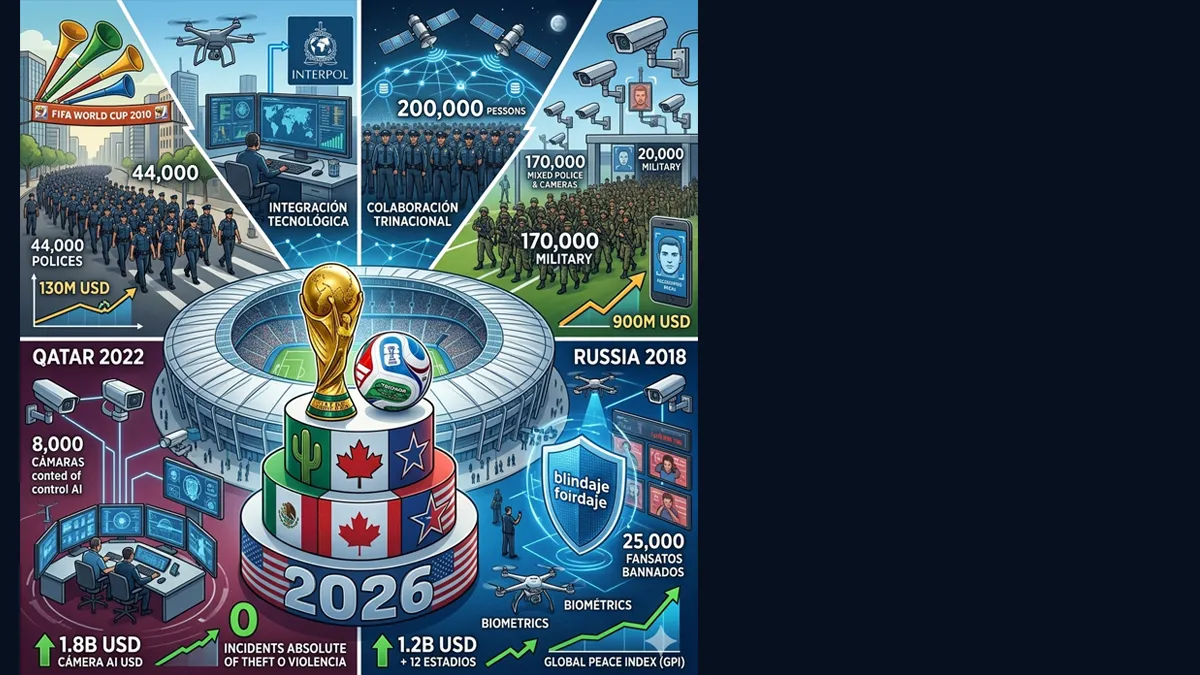
South Africa invested approximately in security, deploying 44,000 police officers across nine venues. Despite initial fears, the tournament ran without major incidents, though 1,200 minor thefts were reported in tourist areas. The key takeaway was : Interpol set up a command center in Johannesburg.
Brazil 2014: The Largest Operation in History (at the time)
With a 900 million dollar security budget, Brazil mobilized 170,000 agents, including 20,000 military personnel. Despite social protests, there were no terrorist incidents. Facial recognition technology in stadiums was pioneering.
Russia 2018: Total Shielding
Russia allocated 1.2 billion dollars to security — the highest per capita cost (8.4 USD per inhabitant). It implemented a blacklist system with 25,000 banned fans. Notable features included drones and biometric scanners at all 12 stadiums.
Qatar 2022: High Tech in a Small State
Qatar spent 1.8 billion dollars on security, the highest relative expenditure (600 USD per inhabitant). It deployed 8,000 AI-powered cameras and a centralized control center. No thefts or mass violence were reported.
Lessons for the 2026 World Cup
The triple-host 2026 format adds complexity: Mexico, the U.S. and Canada. Organizers will need to coordinate customs, federal and state police, while navigating legal and cultural differences. A Wilson Center report estimates that 200,000 personnel will be needed. Priorities include:
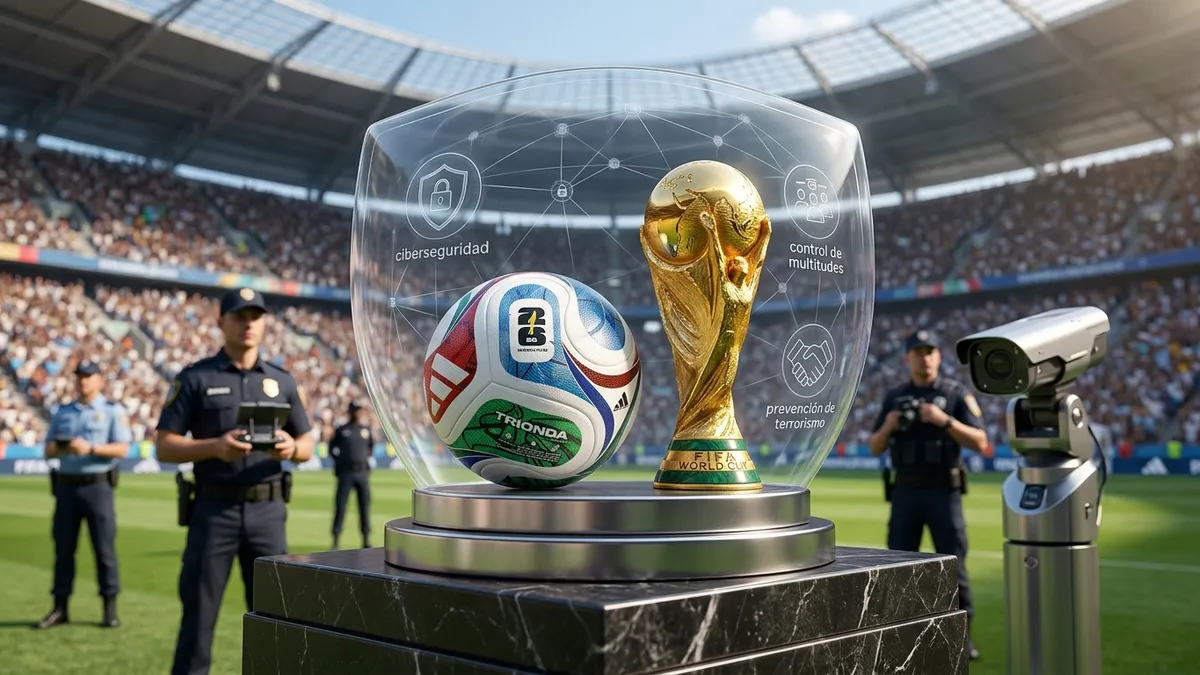
Cybersecurity: protecting ticketing systems and broadcasts.
Crowd control: with maximum capacities of 80,000 at Estadio Azteca and MetLife Stadium.
Terrorism prevention: based on intelligence sharing between the FBI, RCMP, and the National Guard.
The comparison of World Cup security models shows there is no one-size-fits-all approach; each host adapts resources to its context. For 2026, the key will be technological integration and trinational collaboration. Will Mexico, the U.S., and Canada set a new standard? The data suggests investment and planning are up to the challenge.