2026 World Cup Mascots: Tactical Analysis of the Official Trio
June 10, 2026 4 min readPrediPick
2026 World Cup Mascots: Tactical Analysis of the Official Trio
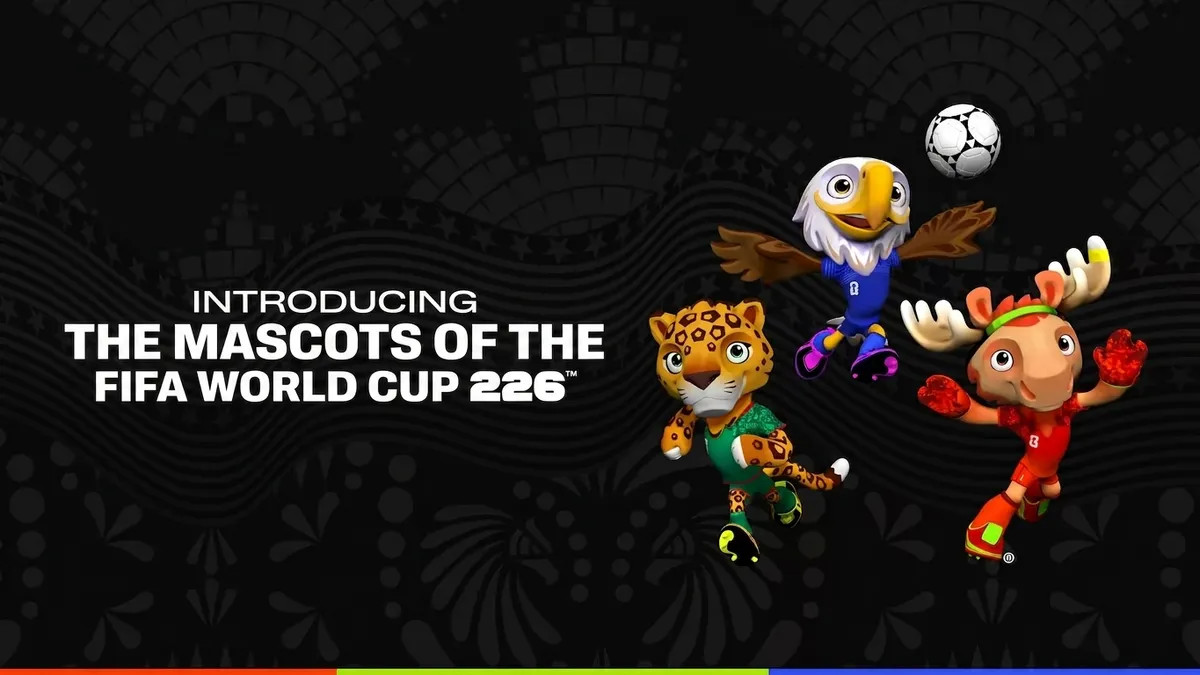
The 2026 FIFA World Cup not only breaks new ground as the first with three host nations (Mexico, the United States, and Canada) but also innovates in its symbolism. For the first time, we won't have a single mascot, but a trio of characters forming a complete tactical team: Maple, Zayu, and Clutch. Each represents a position on the pitch and reflects the cultural and footballing essence of its nation. In this analysis, we go beyond the design and explore the strategy hidden within these icons.
FIFA decided that mascots should not be mere decorations but a reflection of collaboration among the three countries. By assigning them playing positions (goalkeeper, forward, and midfielder), a symbolic lineup is created that merges the strengths of each culture. This tactical approach is unprecedented in World Cup history, and here we break down their roles.
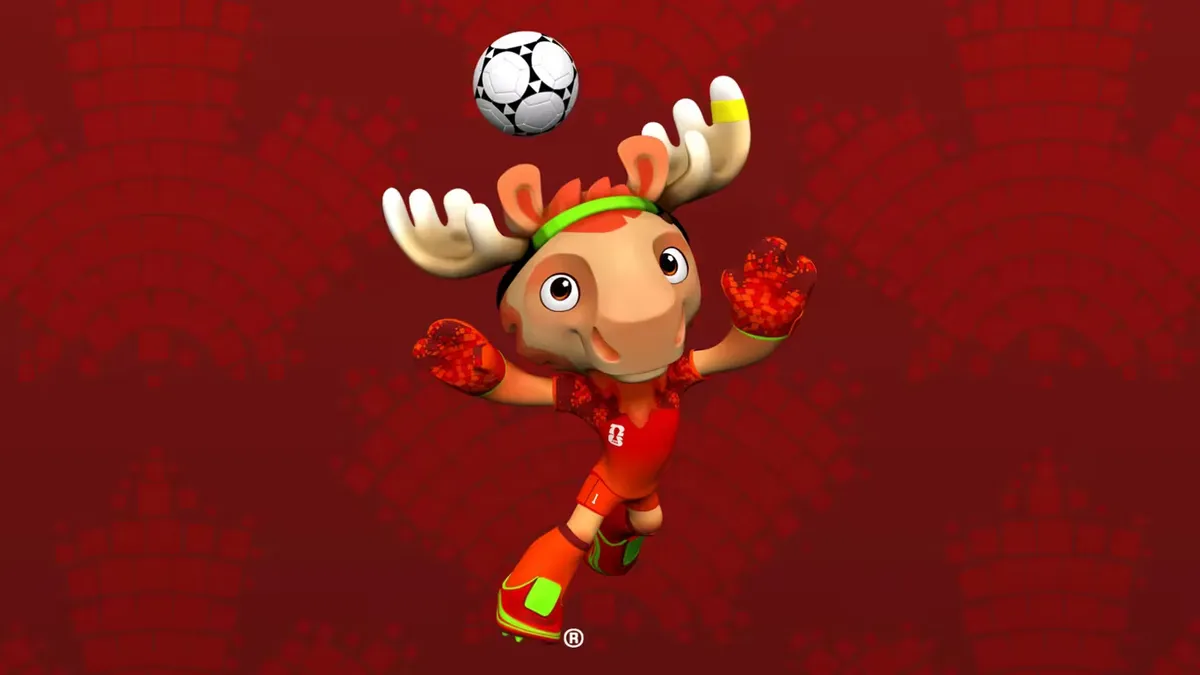
Maple (Canada): The Resilient Goalkeeper
Maple is a Canadian moose dressed in red who plays as a goalkeeper. Its design is inspired by the maple leaf, Canada's national symbol, and represents values such as creativity and resilience. In football, the goalkeeper is the last line of defense, and Maple embodies the ability to withstand pressure and react with cunning. Canada, historically a fighter team in CONCACAF, finds in this mascot an emblem of its unyielding spirit.
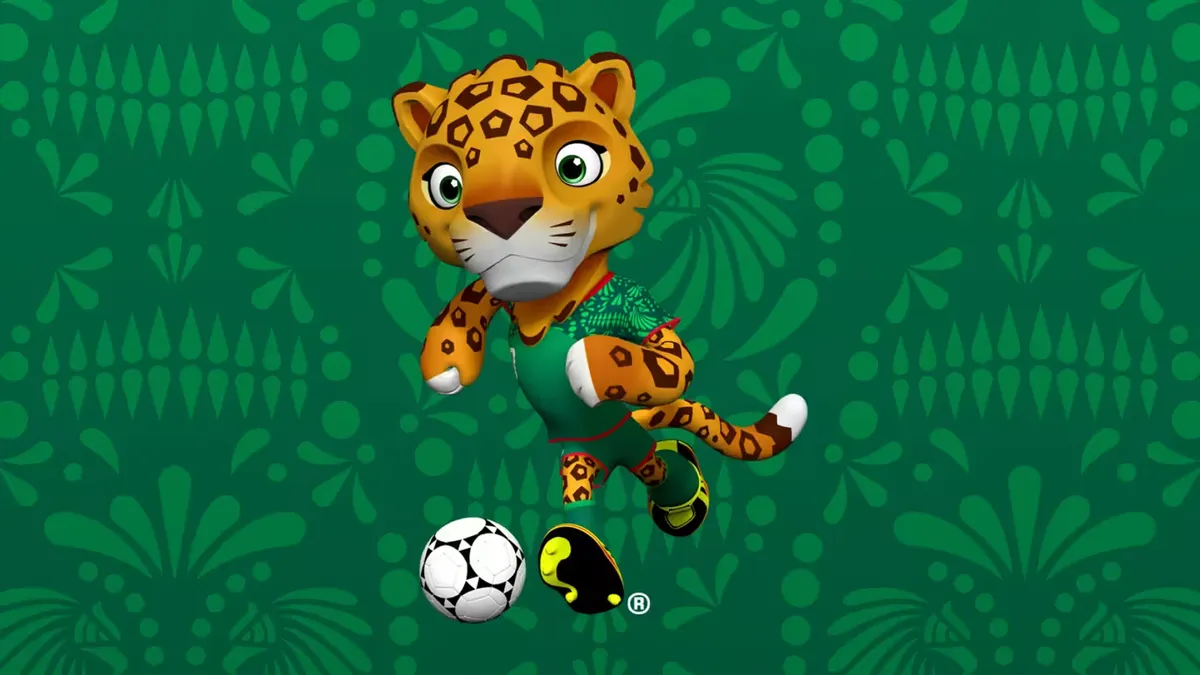
Zayu (Mexico): The Mystical Forward
Zayu is a green jaguar who plays as a forward. Its name evokes unity, strength, and joy, and pays homage to the importance of the jaguar in Mesoamerican cultures. This feline was a symbol of power and agility, essential qualities for a goal scorer. Mexico, with its offensive tradition and overflowing passion, finds in Zayu a predator in the box that combines mysticism and grit. It's the one tasked with scoring the goals that ignite the party.
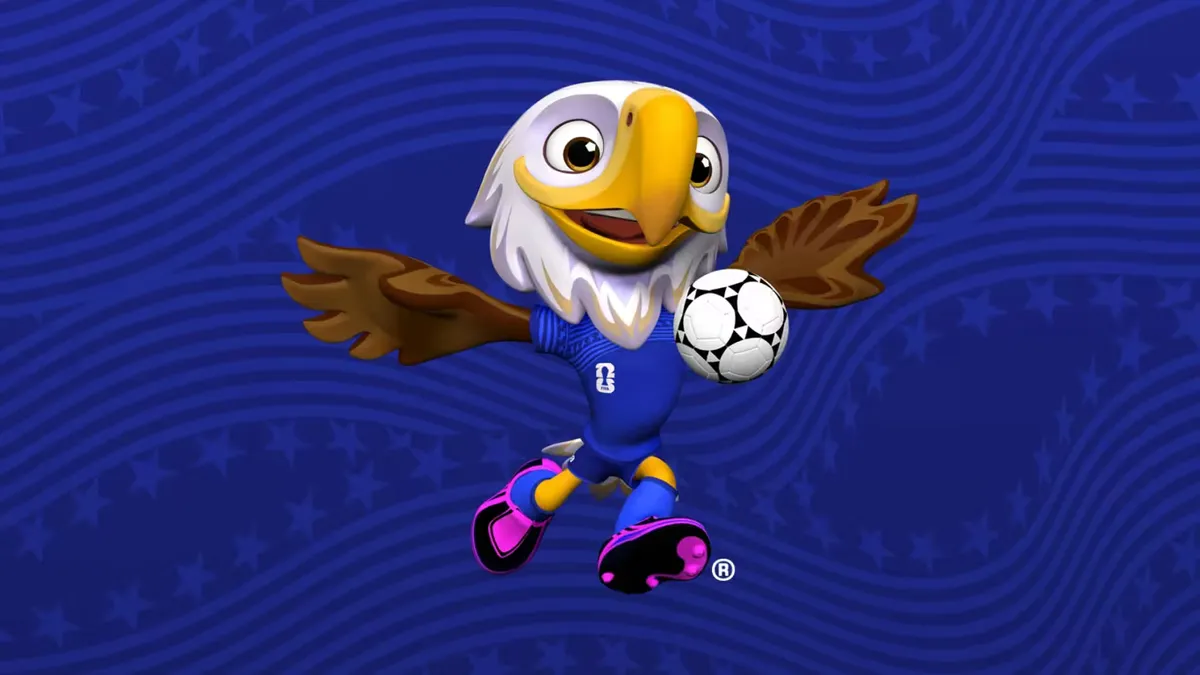
Clutch (United States): The Clutch Midfielder
Clutch is a blue bald eagle who plays as a midfielder. Its name comes from the English sports term "clutch," used to describe players who perform under maximum pressure. It represents leadership, courage, and unity. In football, midfield is the brain of the team, and Clutch symbolizes the United States' ability to organize play and make key decisions. Its role is to connect defense and attack, just as the host nation seeks to unite three countries.
The Strategy Behind the Trio
FIFA did not choose these positions by chance. Goalkeeper, forward, and midfielder form the tactical backbone of any team. Maple, Zayu, and Clutch not only represent their countries but create a system of play where defense (Canada), attack (Mexico), and playmaking (USA) complement each other. It's a metaphor for how the three hosts will collaborate to make the 2026 World Cup an unforgettable tournament.
Additionally, each mascot has a psychological profile that aligns with its role:
Maple is creative and resilient, like a goalkeeper who invents solutions under the bar.
Zayu is joyful and strong, like a forward who celebrates every goal with heart.
Clutch is a leader and brave, like a midfielder who takes responsibility in decisive moments.
Beyond the Stadiums: The Mascots in the Video Game
FIFA has integrated these characters into the official video game of the campaign leading up to the tournament, making them playable characters with special abilities. This is not just a marketing detail: it's a strategy for fans to experience the thrill of the World Cup from their consoles. Imagine controlling Zayu on a counterattack or saving with Maple in a penalty shootout. This inclusion reinforces the tactical message that each mascot is a key player.
The official video shows Maple, Zayu, and Clutch in action, with sequences highlighting their movements and personalities. It's a taste of the hype generated by this trio. If you haven't seen it yet, click above to feel the energy.
Conclusion: A Championship Team
The 2026 World Cup mascots are much more than decorative figures. They represent a tactical revolution in the World Cup narrative, where the union of three countries translates into a football lineup. Maple, Zayu, and Clutch not only celebrate cultural diversity but demonstrate that football is a team sport, where every position matters and every player contributes their essence.
Get ready for Mexico, United States, and Canada 2026. The mascots are ready to take the field, and now we are all part of their winning strategy. Let the ball roll!