The Biggest Upsets in World Cup History
The Biggest Upsets in World Cup History
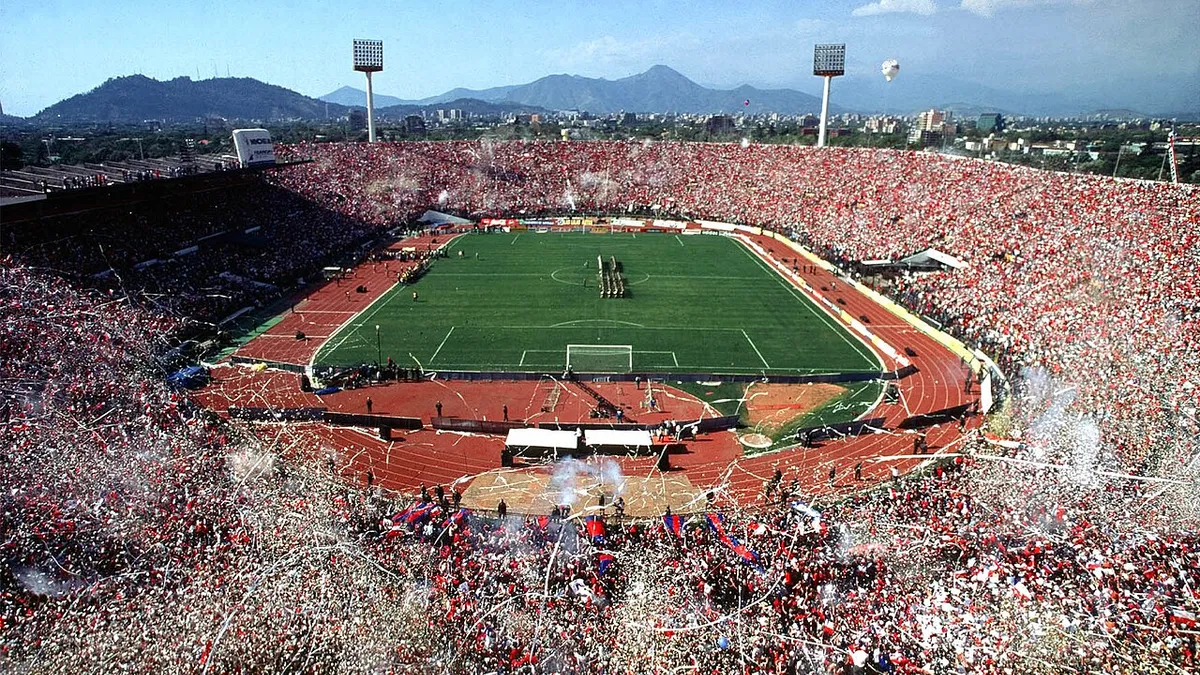
The World Cup has been the stage for unforgettable feats, but also for results that defied all predictions. Across its 22 editions, teams with less tradition and resources have toppled football giants, writing indelible pages. In this article we review the most shocking World Cup upsets, analyzing the context, the protagonists, and the consequences of each one.
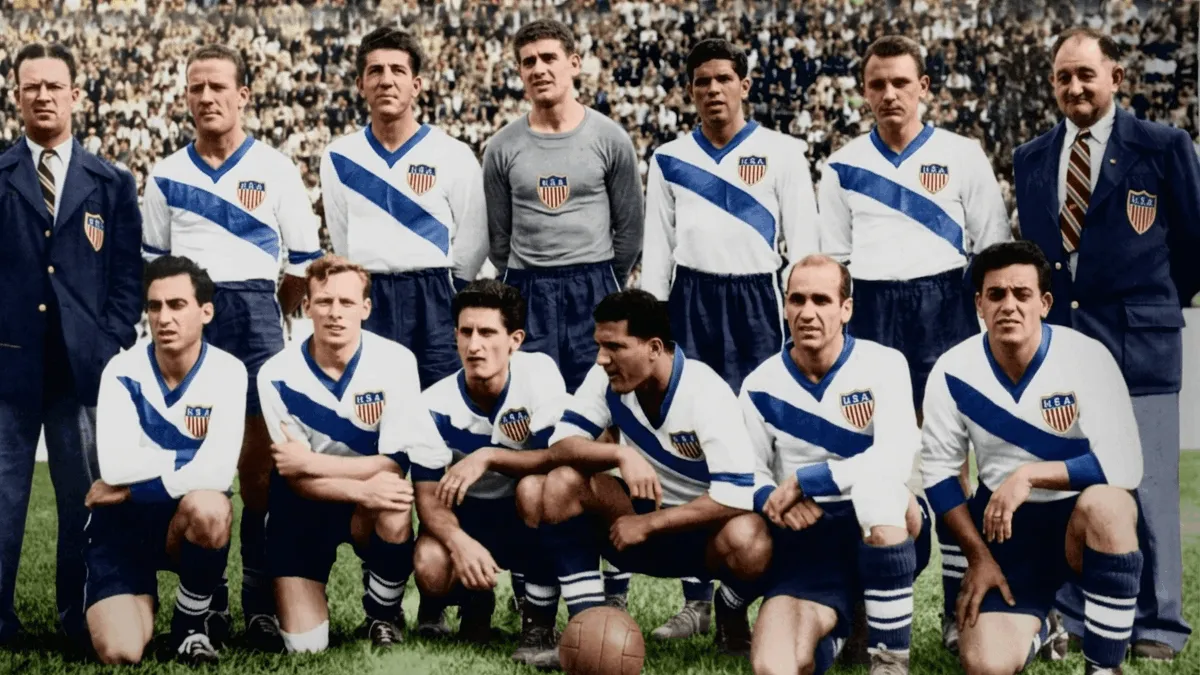
The "War" of Belo Horizonte (1950): USA Defeats England
Few results can match the 1-0 victory of the USA over England at the 1950 Brazil World Cup. The English, considered inventors of football, arrived with a team led by Stanley Matthews and Tom Finney. In contrast, the USA fielded semi-professional players, including Haitian Joe Gaetjens, who scored the goal.
- Key fact: England had beaten the same team 4-0 in a friendly two years earlier.
- Impact: In England, newspapers ran headlines in disbelief. Some believed the telegram with the result was a mistake and reported a 10-1 score, when in fact it was 1-0.
This result was not only a surprise but also showed that football was no longer a European monopoly.
North Korea 1966: The Middlesbrough Earthquake
The 1966 England World Cup is remembered for the host’s title, but also for North Korea’s miracle. The Asians, absolute debutants, eliminated Italy in the group stage with a 1-0 in Middlesbrough. The goal by Pak Doo-ik, a player who worked as a butcher, symbolized the humility of a team that later reached the quarterfinals.
- Context: Italy, two-time world champion, arrived as favorites. North Korea barely trained a week before the match.
- Curious fact: FIFA had denied them permission to use their own boots, deemed unsuitable. They played with borrowed boots.
The North Korean team fell in the quarterfinals to Portugal (5-3) after leading 3-0, but their performance remains one of the biggest World Cup upsets.
Cameroon 1990: The Indomitable Lion Shakes Argentina
The 1990 Italy World Cup brought Africa’s first major breakthrough. Cameroon, led by Roger Milla (aged 38), beat the defending champion, Argentina of Maradona, 1-0 at San Siro in the opening match. The Africans played with ten men for 75 minutes after Kana-Biyik’s red card.
- Key fact: Cameroon became the first African team to reach the quarterfinals, where they lost to England in a match that needed extra time.
- Style: Physical strength, tough tackling, and organized defense. Roger Milla celebrated his goals by dancing at the corner flag, an iconic image.
This result opened the door for African football to be taken seriously in global tournaments.
Senegal 2002: A Dream Debut in Seoul
Making a World Cup debut and beating the defending champion is a movie script. Senegal did it at the 2002 Korea-Japan World Cup, defeating France 1-0 in the opening match of Group A. The goal by Papa Bouba Diop, scored in the 30th minute, sealed the deal.
- Context: France was the reigning world and European champion, with stars like Zidane, Henry, and Deschamps. Senegal had several players in the French league but no World Cup experience.
- Impact: Senegal not only won but also reached the quarterfinals, matching Cameroon’s 1990 feat.
This upset proved that African football was no flash in the pan.
Greece 2004: But… Isn’t It a World Cup? The Continental Exception
Although Greece won Euro 2004, not a World Cup, their achievement deserves mention for the magnitude of the surprise. They arrived as the team with the lowest odds (80-1) and beat Portugal (hosts), France, Czech Republic, and Portugal again in the final, all with ultra-defensive football.
- Key fact: Angelos Charisteas scored the title goal from a header. Greece had only played two previous World Cups (1994, 2010) without advancing past the group stage.
- Lesson: It showed that a perfect tactical strategy can overcome any individual talent.
Costa Rica 2014: The Group of Death Vanquished
The 2014 Brazil World Cup placed three former champions in Group D: Uruguay, Italy, and England. Costa Rica was the Cinderella. However, the Ticos won 3-1 against Uruguay, 1-0 against Italy, and drew 0-0 with England to top the group with 7 points.
- Key figures: Keylor Navas, a goalkeeper who later signed for Real Madrid, was crucial with his saves. Coach Jorge Luis Pinto orchestrated a rock-solid defense.
- Feat: Costa Rica reached the quarterfinals, where they lost on penalties to the Netherlands. Their performance is considered the biggest upset of that World Cup.
Common Factors in World Cup Upsets
Analyzing these cases, certain elements recur:
- Solid defense and tactical discipline: Teams like Cameroon 1990 or Costa Rica 2014 sacrificed possession to close down spaces.
- An inspired goalkeeper: Navas, Milla (Cameroon), or US goalkeeper Borghi in 1950 were decisive.
- Lack of pressure: "Small" teams play without the weight of history, which frees their potential.
- Errors by the favorite: Underestimating the opponent, injuries to stars, or poor tactical planning.
The Legacy of These Upsets
Each historic feat has changed the perception of global football. African and Asian teams earned respect. Concacaf teams (USA, Costa Rica, Mexico) proved they can compete. And above all, fans remember that in football, favoritism is never a sure thing.
The 2026 World Cup, with 48 teams and three hosts, promises new upsets. Can a debutant like Canada or an Oceania team pull off a shock? History tells us never to underestimate anyone.
Which of these upsets did you find most incredible? Leave your opinion and share this article with other football enthusiasts.