Argentina 1978: first albiceleste title at home under dictatorship
May 30, 2026 5 min readPrediPick
Argentina 1978 World Cup: the first albiceleste title at home under dictatorship
The 1978 Argentina World Cup was not only the first star for the albiceleste national team, but also became a contradictory symbol of sporting joy and political repression. While the military dictatorship led by Jorge Rafael Videla organized an impeccable tournament to whitewash its international image, the country lived under the terror of forced disappearance and censorship. This article unravels the complex relationship between football and authoritarianism, comparing the Argentine experience with other World Cups held in dark political contexts.
The context of the 1978 Argentina World Cup: football as propaganda
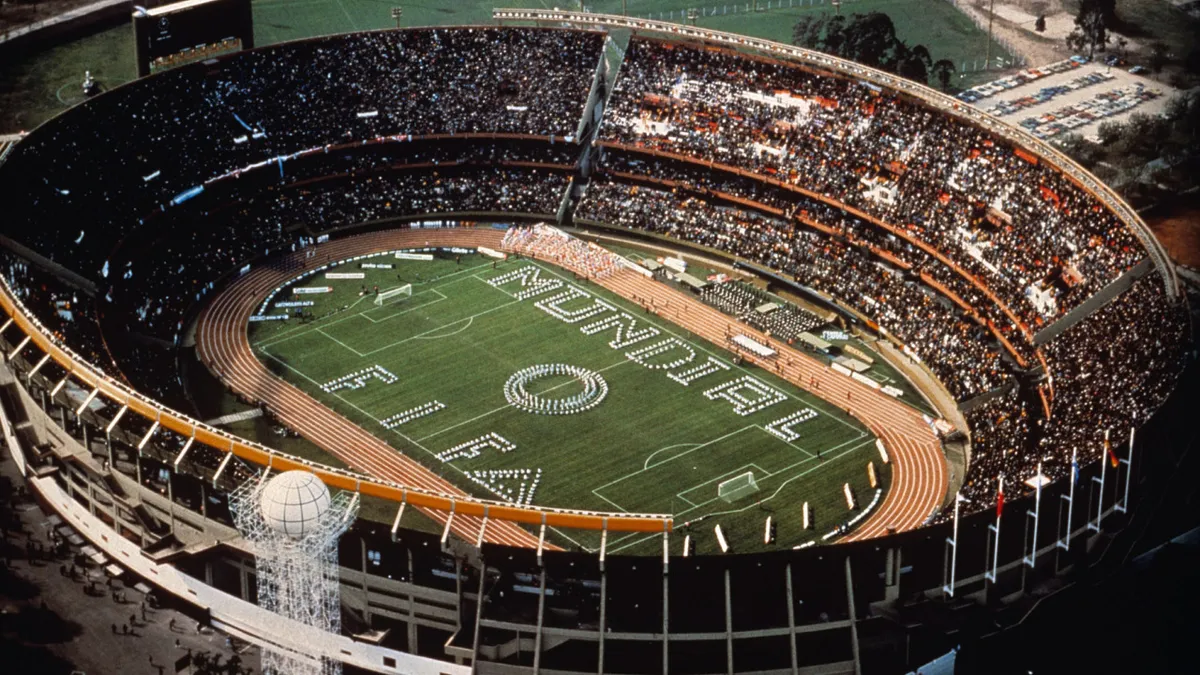
The was the second world championship organized in South America (the first was Uruguay 1930, also won by the host). However, the arrived in a country submerged in a since 1976. The military dictatorship saw football as the perfect tool to project an image of normalcy and efficiency: , , and contrasted with the operating just blocks away from the Monumental.
Comparison with World Cups under authoritarian regimes
Italy 1934: Also organized by a fascist regime (Mussolini), Italy won at home using the tournament to exalt nationalism. But unlike Argentina, political violence was more visible and less denied.
West Germany 1974: Held in democratic West Germany, though the shadow of the Berlin Wall and the East German dictatorship (which did not participate) marked the context. However, the German regime did not use the tournament to cover up crimes against humanity.
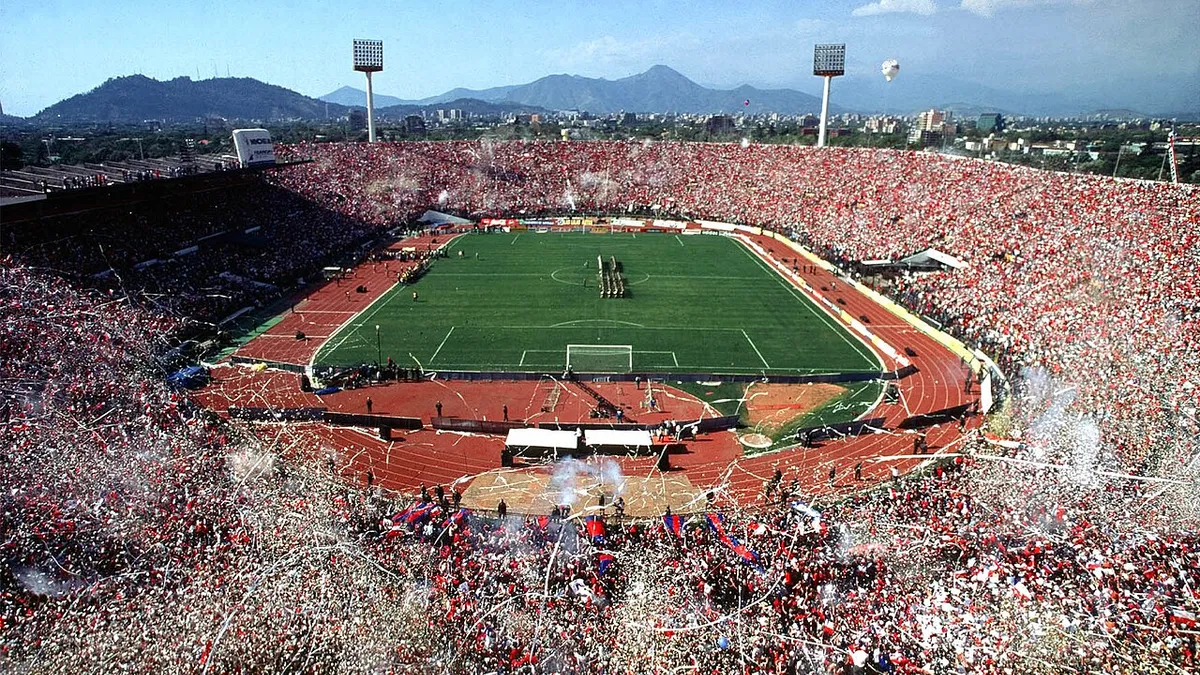
Chile 1962: Chile organized the World Cup under the government of Jorge Alessandri (democracy), but Pinochet's coup came later. Not comparable to direct propagandistic use.
Argentina, on the other hand, was the first case where a military regime used a football World Cup to whitewash its image while committing massive human rights violations. The official slogan "25 million Argentines will play the World Cup" hid the fact that at least 15,000 people were disappeared.
The sporting feat: Menotti's team and the path to the title
The role of César Luis Menotti
Menotti, a coach with progressive ideas, managed to build an offensive and creative team amidst a climate of censorship. His philosophy of "playing good football" clashed with military authoritarianism, but the dictatorship tolerated his work because sporting results were a priority. Menotti never hid his rejection of the regime, but he was careful not to make explicit statements that could cost him his life. This tension was reflected on the field: Argentina played with a possession and pressing style that captivated the public.
The controversial group stage and the match against Peru
The second group stage was especially controversial. Argentina needed to thrash Peru to qualify for the final, and the 6-0 result still raises suspicions. Although the Peruvian players deny it, later testimonies and declassified documents suggest there was a political deal between the Argentine dictatorship and the Peruvian military regime of Francisco Morales Bermúdez. The "Miracle of Córdoba" (as the official media called it) was a result that clearly favored the albiceleste and still tarnishes the title's legitimacy today.
The final against the Netherlands: epic at the Monumental
On June 25, 1978, Argentina defeated the Netherlands 3-1 at the Estadio Monumental with two goals from Mario Kempes (the tournament's top scorer) and one from Daniel Bertoni. The match was intense, with the Dutch pressing until the end and a goal disallowed for Rob Rensenbrink in the 89th minute that could have changed history. Kempes became a national hero, but the popular celebration was used by the dictatorship to call a rally in the Plaza de Mayo with thousands of people chanting "the house is in order." The Mothers of Plaza de Mayo, still holding their protest rounds, were made invisible by official propaganda.
The contradictory legacy of the 1978 Argentina World Cup
Comparison with the title in Qatar 2022
Forty-four years later, Argentina won its third World Cup in Qatar 2022 under a democratic government. The difference is abysmal: in 1978, the title was instrumentalized by a criminal dictatorship; in 2022, the joy was genuinely popular, without state coercion. The 1978 Argentina national team is remembered for its footballing quality, but also for the context of repression that accompanied it. Today, grandchildren recovered by the Grandmothers of Plaza de Mayo reconstruct the story of their disappeared parents from those very football days.
Mario Kempes: 6 goals in the tournament, Golden Boot.
Stadiums: 6 venues (Buenos Aires, Córdoba, Mar del Plata, Mendoza, Rosario, Bahía Blanca).
Total cost: Adjusted for inflation, about 2.5 billion dollars at the time, partly financed with foreign debt that mortgaged the country.
Conclusion: more than a title, an open wound
The 1978 Argentina World Cup was the first albiceleste title at home, but its shine is tarnished by the military dictatorship. While the players lifted the cup, thousands of families searched for their loved ones. The World Cup did not erase the crimes, but it served to show the world a façade of normalcy that history is now tearing down. This contrast between sporting glory and political tragedy makes that experience one of the most complex and fascinating in world football.
If you want to delve deeper, I recommend reading "Los doce apóstoles" by Ezequiel Fernández Moores or the documentary "Mundial 78: la historia paralela."