2026, 2030 and 2034 World Cup Hosts: A Journey Through Football's Future
June 25, 2026 4 min readPrediPick
2026, 2030 and 2034 World Cup Hosts: An Epic Journey Through Football's Future
Football is more alive than ever. While the 2026 World Cup is already roaring in the USA, Mexico, and Canada, fans are starting to look ahead to what's coming: the confirmed World Cup hosts for 2030 and 2034. Three tournaments that will mark a before and after, not only for their sporting quality but also for their geographic and cultural reach. Get ready for an exciting journey through the stadiums, cities, and legacies that await us. And if you want to know how the action is going right now, don't forget to check our to follow your favorite team.
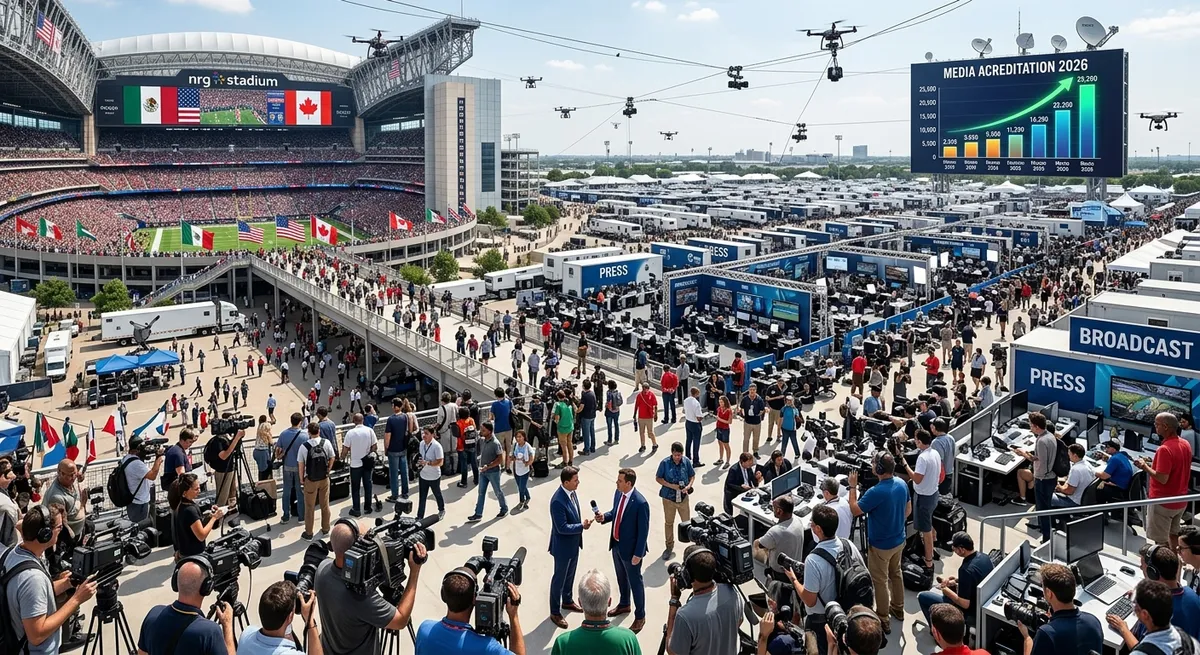
The tournament already underway is historic in its own right. It's the first time three nations have organized a World Cup, and the scale is titanic. With 16 venues strategically distributed, the group stage has seen stadiums like MetLife Stadium in New Jersey or Estadio Azteca in Mexico City (the only one to host three World Cups) become football temples. Canada, for its part, has contributed BC Place in Vancouver and BMO Field in Toronto, adding a northern touch to the party.
The 2026 World Cup is already writing its history, and the diversity of venues is creating a unique atmosphere. From the concrete jungle of New York to the vibrant streets of Mexico City, each host city has offered its own spectacle. Logistics have been a challenge, but the result is a tournament that spans an entire continent, uniting cultures under a single passion.
2030 World Cup: The Centenary Returns Home
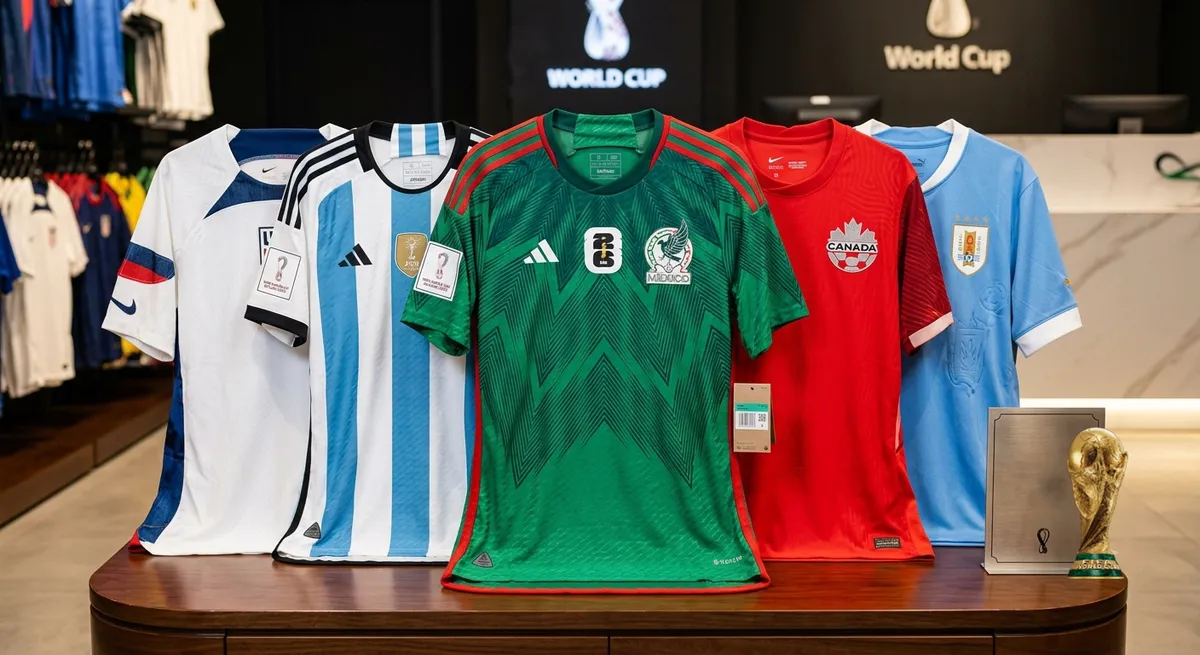
But if 2026 is the tournament of expansion, the 2030 World Cup will be one of nostalgia and celebration. Confirmed to be held in Spain, Portugal, and Morocco, with an opening match in Uruguay, Argentina, and Paraguay, this tournament will commemorate the centenary of the first World Cup, played in 1930. FIFA's decision to distribute the honor among six countries is a nod to history and a bet on international cooperation.
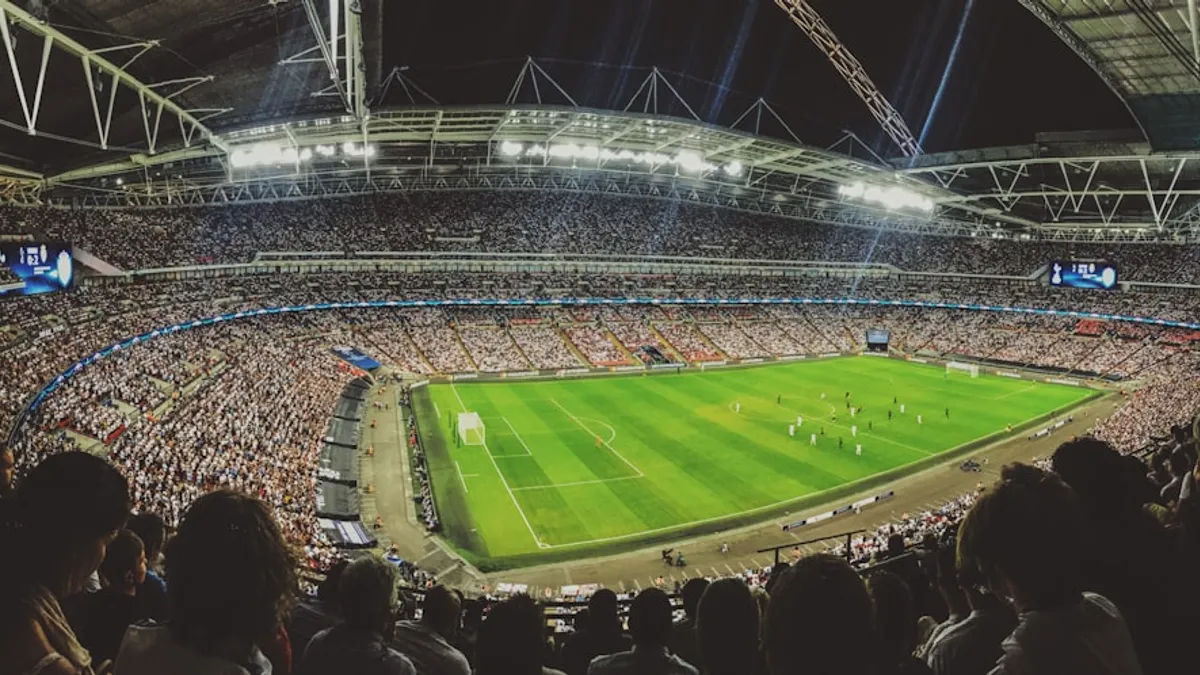
The 2030 World Cup hosts promise to be impressive. Spain, with its rich footballing tradition, will contribute stadiums like Santiago Bernabéu and Camp Nou, while Portugal will add Estádio da Luz and Morocco, Ibn Batouta Stadium. It will be a tournament that unites two continents and three football cultures: South American grit, European technique, and African passion. For those who want to keep dreaming about how the future is shaping up, we invite you to try our prediction simulator.
The Legacy of 2030: Beyond Football
Beyond the matches, the 2030 World Cup will be a catalyst for development. Morocco, in particular, will see a boost in its sports and tourism infrastructure, while collaboration between Spain and Portugal will strengthen their integration. The three host countries are already working on transportation and hospitality projects to welcome millions of fans. The question everyone is asking is: can the tripartite organization match the spectacle of 2026? Everything points to yes.
Towards 2034: Asia and the Sleeping Giant
Looking further ahead, the horizon is tinged with Asian colors. The 2034 World Cup already has an owner: Saudi Arabia. The Saudi bid was the only firm proposal, and FIFA confirmed it as the host in a move aimed at expanding football in the heart of the Middle East. This will be the second World Cup in the region (after Qatar 2022) and promises to be the most ambitious in terms of investment and technology.
Saudi Arabia plans to build 15 state-of-the-art stadiums, many of them in Riyadh, Jeddah, and the futuristic city of NEOM. The tournament is expected to be a showcase for the kingdom's Vision 2030 Project, which seeks to diversify its economy and boost tourism. Although criticism over human rights and sustainability has accompanied the selection, FIFA argues that football can be a driver of positive change.
Where Will the Next World Cups Be? A Comparison of Legacies
To answer users' questions about where the next World Cups will be, we can summarize it as follows:
2026:USA, Mexico, and Canada – A massive, decentralized, and multicultural tournament, with the goal of popularizing football in North America.
2030:Spain, Portugal, Morocco (and three matches in South America) – A tribute to the centenary, with a focus on uniting continents and historical heritage.
2034:Saudi Arabia – A modernization and expansion project in Asia, with unprecedented investment.
Each of these World Cup hosts represents a different philosophy. While 2026 bets on geographic diversity, 2030 embraces tradition, and 2034 leaps towards a technological future. As fans, we just have to enjoy the present (with the 2026 World Cup in full swing) and dream of what's to come. Football never stops!
Which hosts excite you the most? Leave us your comment and continue the conversation on our blog!