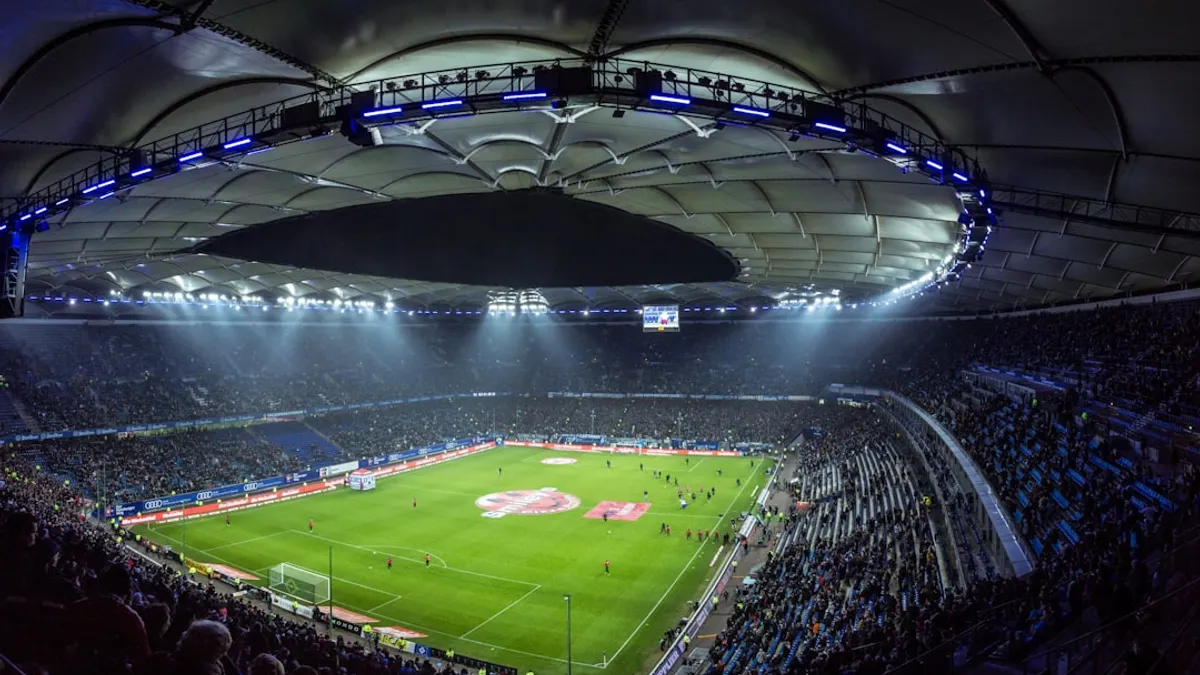
Group StageGroup E Hard Rock Stadium, Miami
Costa de Marfil and Curazao meet in Group E of the 2026 World Cup at Hard Rock Stadium in Miami, with both teams seeking to make a mark on the global stage. The Ivory Coast, a seasoned African powerhouse, aims to leverage its experience and talent to advance, while Curazao, a rising Caribbean side, looks to prove its mettle against higher-ranked opposition. This match offers a compelling contrast in styles and stakes.
Costa de Marfil enters the 2026 World Cup with a strong pedigree, having consistently qualified for the tournament since 2006 and boasting a squad filled with European-based stars. Their recent form has been solid, with a mix of friendly wins and competitive performances in African qualifying, positioning them as favorites in this group stage encounter. The Elephants are eager to progress beyond the group stage, a feat they have achieved only once, in 2014.
Curazao, ranked 86th in the world, is making only its second World Cup appearance, having debuted in 2022. Their path to the tournament was marked by resilience, overcoming regional rivals in CONCACAF qualifying. While they lack the individual star power of the Ivory Coast, their team cohesion and tactical discipline have been key to their rise. Historically, this is a mismatch on paper, but Curazao will aim to disrupt expectations with a compact defensive setup and quick transitions.
Costa de Marfil's primary strength lies in their attacking firepower, led by players like Sebastian Haller and Wilfried Zaha, who can unlock defenses with pace and physicality. Their midfield, anchored by Franck Kessie, provides both defensive cover and creative distribution, allowing the team to dominate possession. The Elephants are also strong in set pieces, using their height advantage to pose a threat from corners and free kicks.
Defensively, the Ivory Coast has improved under their current coach, with a backline that combines experience and athleticism. They are adept at pressing high and forcing turnovers in the opponent's half, which suits their counter-attacking style. Recent friendlies have shown a disciplined shape, though lapses in concentration against faster opponents remain a concern.
Curazao's greatest asset is their defensive organization and counter-attacking speed. They often deploy a low block, making it difficult for superior teams to break them down, and rely on quick forward runs from players like Leandro Bacuna and Jarchinio Antonia. Their midfield is industrious, with a focus on breaking up play and launching long balls to pacey wingers.
The team's recent form has been inconsistent, but they have shown an ability to frustrate higher-ranked opponents in CONCACAF qualifiers. Their set-piece defending is generally solid, though they can be vulnerable to aerial threats from larger teams. Curazao's mental resilience will be key, as they face a hostile crowd and a team with far more World Cup experience.
- Costa de Marfil's ability to break down Curazao's compact defense through width and crossing.
- Curazao's success in containing the Ivory Coast's midfield trio, particularly Franck Kessie.
- The impact of set pieces, where the Ivory Coast holds a clear height and strength advantage.
- Curazao's transition speed on counters, especially if the Ivory Coast commits too many forward.
- The physical toll of playing in Miami's humid conditions, which could favor the more experienced team.
This match heavily favors Costa de Marfil on paper, given their superior ranking, individual talent, and World Cup experience. However, Curazao's disciplined defensive approach and potential for quick counters could make this a tighter contest than expected. The Ivory Coast will need patience to unlock the defense, while Curazao must capitalize on any rare mistakes to stay competitive. A comfortable win for the Elephants is likely, but Curazao could keep the scoreline respectable if they execute their game plan perfectly.