Final Result
 Canada
6-0
 Qatar
QatarCanada and Qatar meet in a Group B clash at the 2026 World Cup, with both nations eager to prove themselves on the global stage. For Canada, co-hosting the tournament adds pressure to advance past the group stage for the first time. Qatar, the 2022 host nation, seeks to shed its reputation as a tournament underdog and build on its Asian Cup pedigree.
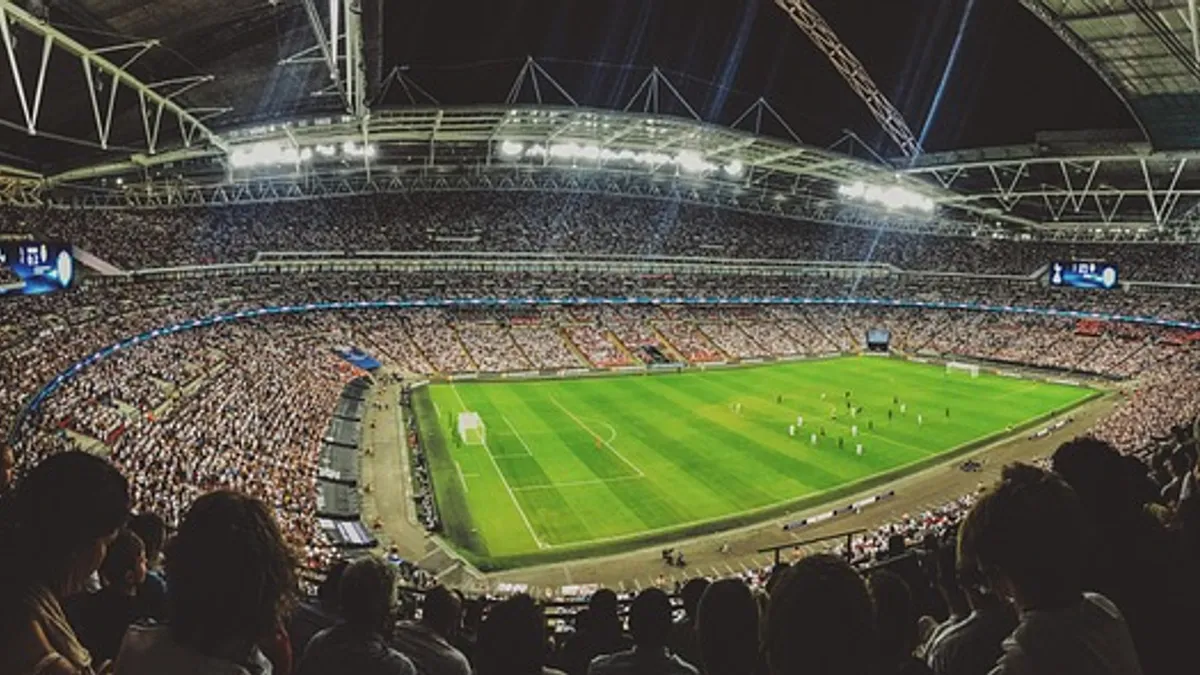
Canada enters this match with the advantage of playing on home soil in Miami, backed by a passionate crowd. After failing to win a match in their 2022 return to the World Cup, the team has developed a more disciplined defensive structure under coach John Herdman, blending youth with experienced MLS and European-based players. Their recent performances in CONCACAF Nations League and friendlies show improved cohesion, though consistency remains a question.
Qatar, ranked 58th, arrives as the reigning Asian Cup champions (2023) and has spent years preparing for high-level competition through intensive training camps and friendlies. Their 2022 World Cup campaign ended with three losses, but the squad retains core players like Almoez Ali and Akram Afif. Qatar’s tactical discipline and counter-attacking style could trouble Canada if they sit deep. Historically, these nations have never met, making this a fresh test for both.
Canada’s primary strength lies in its pace and directness, led by Alphonso Davies on the left flank and Jonathan David’s clinical finishing. The team excels in transition, using quick vertical passes to exploit spaces behind high defensive lines. At Hard Rock Stadium, the crowd will amplify their energy, especially in the first half.
Defensively, Canada has improved set-piece organization, a vulnerability in 2022. Midfielder Stephen Eustáquio provides balance, breaking up play and linking to attackers. However, Canada’s tendency to overcommit forward can leave them exposed, which Qatar will aim to exploit.
Qatar relies on a compact 5-3-2 formation that stifles opponents and launches counters through Akram Afif’s dribbling and Almoez Ali’s movement. Their Asian Cup run demonstrated resilience in tight games, with goalkeeper Meshaal Barsham providing reliable shot-stopping. Experienced defender Boualem Khoukhi anchors the backline.
Qatar’s weakness is creating chances from open play against disciplined defenses, often depending on set pieces or individual brilliance. They also struggle with high-pressing teams, as seen in 2022. Against Canada’s speed, they must avoid defensive lapses early.
- Canada’s ability to press high and force turnovers in midfield against Qatar’s build-up play.
- Qatar’s counter-attacking speed through Afif and Ali when Canada commits numbers forward.
- Set-piece efficiency for both sides, as dead-ball situations could decide a tight match.
- The impact of home crowd support on Canada’s intensity and Qatar’s composure.
- Midfield control: Eustáquio vs. Hassan Al-Haydos in dictating tempo.
This is a winnable match for Canada, given home advantage and Qatar’s limited World Cup experience. However, Qatar’s tactical discipline and recent tournament success make them a dangerous opponent. Expect a tense, tactical battle where the first goal is critical. Canada’s pace may edge them through, but Qatar can frustrate and snatch a draw.